

Tuesday, 11, August, 2026

The Savage Tsavo Man-Eaters and the Man Who Stopped Them, They were believed to have eaten up to 135 people.

→

The Savage Tsavo Man-Eaters and the Man Who Stopped Them, They were believed to have eaten up to 135 people.
From Nation, For Nation - Pulse of the Nation
Joseph Dituri
Joseph Dituri

A Florida Professor is Living Underwater for 100 Days
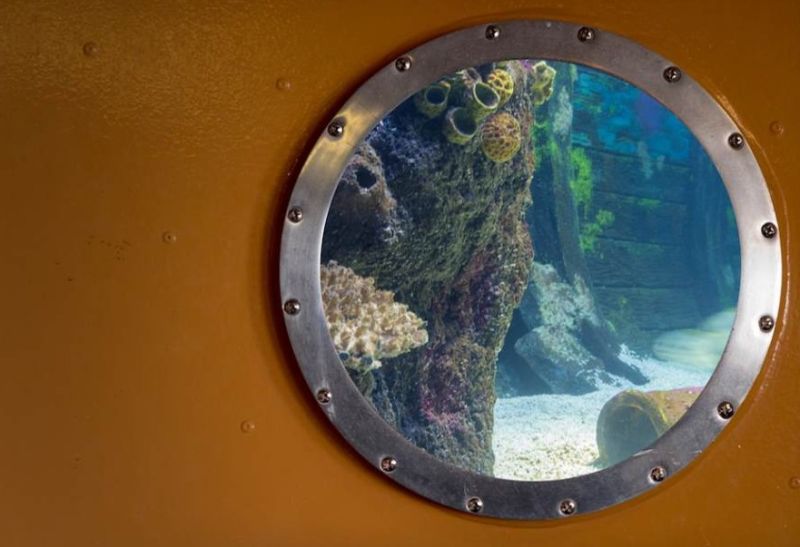
Associate professor Joseph Dituri hopes to develop ‘super-human’ traits!
University of South Florida (USF) associate professor Joseph Dituri, also known as “Dr. Deepsea,” is in the middle of spending 100 days underwater while conducting research and teaching a biomedical engineering class. The 55-year-old hopes to break the record for spending the longest stint underwater, surpassing the 73-day record set by two people in 2014.

Under The Sea
Dituri’s habitat is 30 feet below the surface. He is living in a 100-square-foot structure located in Key Largo at Jules’ Undersea Lodge, according to a university press release. He will spend part of his time recording his body’s long-term exposure to extreme pressure. He explained on Instagram that he is experiencing about 1.6 times the pressure people encounter on the earth’s surface!
Medical personnel have been monitoring Dituri’s health, which includes blood panels, ultrasounds, electrocardiograms, and stem cell tests. He also undergoes psychosocial and psychological tests. Since he will be confined underwater in isolation for such a prolonged period (conditions similar to space travel), a psychologist and psychiatrist are on hand to assess his health.
A previous study concluded that exposing the body to increased pressure for five days may increase longevity and prevent age-related diseases. Dituri’s research will expand on this data, and he thinks he may emerge from the sea as “super-human.” “This study will examine every way this journey impacts my body, but my null hypothesis is that there will be improvements to my health due to the increased pressure,” Dituri believes.

Looking For Answers
Dituri, a former U.S. Navy saturation diving officer, earned his doctoral degree at USF in order to study traumatic brain injuries, which have affected many servicemen and servicewomen in our country. “I knew well that hyperbaric pressure could increase cerebral blood flow and hypothesized it could be used to treat traumatic brain injuries,” he noted. “I hypothesize that applying the known mechanisms of action for hyperbaric medicine could be used to treat a broad spectrum of diseases.”
Ditrusi is also fielding questions from teachers and their students about life underwater as part of his STEM outreach. When asked how he showers and if he feels like his body is being squeezed from the pressure, he explained that he uses fresh water piped down from the surface, and “as far as the squeezing, the body is mostly made of water which is incompressible so I really don’t feel anything different.” When asked how the habitat stays anchored, Dituri explained that it contains “about 80,000 lbs of positive buoyancy in this facility….it weighs more than that.”
He also makes time for fun, such as playing Rock, Paper, Scissors with a group of divers that stopped by (outside his porthole) for a visit.

More Than Meets The Eye
Dituri has many projects to keep him occupied. For example, he is testing an artificial intelligence tool aimed at screening a body for illness and choosing appropriate treatments. Other scientists have also visited the habitat.
If you have a hankering to spend some time underwater and you are a certified scuba diver, you too can stay overnight at Jules’ Undersea Lodge and explore the marine environment. Just be prepared to pay $1,687.50 per couple for one night. The accommodations include a pizza delivery and plenty of other snacks.
That’s not all though, there is also another way you can tap into underwater abilities. If you’re a musician and are interested in playing songs while submerged, the Denmark-based band AquaSonic is seeking a new drummer. The group’s concerts, dubbed “submerged musical performances,” feature five performers in glass tanks playing instruments and singing completely underwater. The music is described as “eerily melodic and powerfully resonant.” Qualifications for the position include having a “nerd-gene” and “nerding drumming technique.” You must also be physically strong, tolerant of spending long periods working in water, and be able to hold your breath for extended periods.
→

lobster
lobster

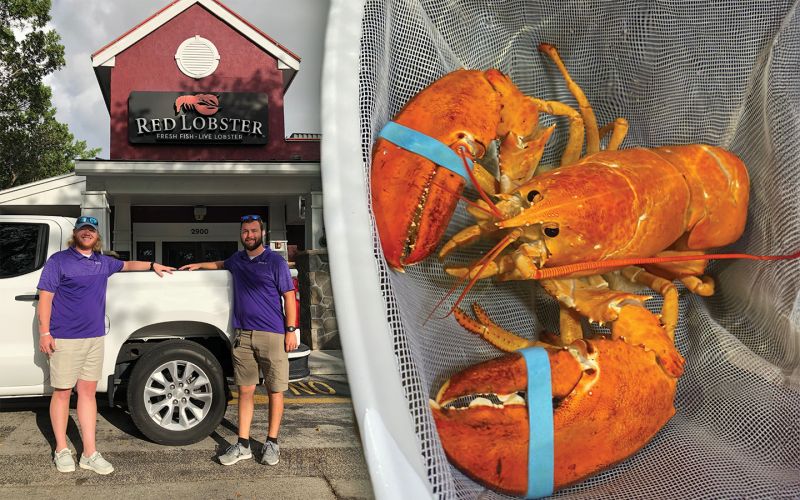
Meet Cheddar, the One-in-30-million Orange Lobster Named after Red Lobster's iconic Cheddar Bay Biscuits®, this unique lobster is an incredibly rare find!

There was something obviously very different about one of the lobsters shipped to a Red Lobster restaurant in Hollywood, Florida. Employees at the restaurant immediately noticed the beautiful, bright orange color of the lobster, and they went on a mission to rescue the unique crustacean.

Here at Ripley’s, we take pride in honoring all of the unusual curiosities the world has to offer and when Red Lobster reached out about an orange lobster they had in their possession, Ripley’s Aquarium of Myrtle Beach answered the call and happily welcomed the extraordinary crustacean to her new home this week!
→
From Globe, For Globe - Pulse of the Planet
Headhunter's Sword
Headhunter's Sword
Up Close & Peculiar With a Headhunter's Sword

This sword was used for chopping people’s heads off...
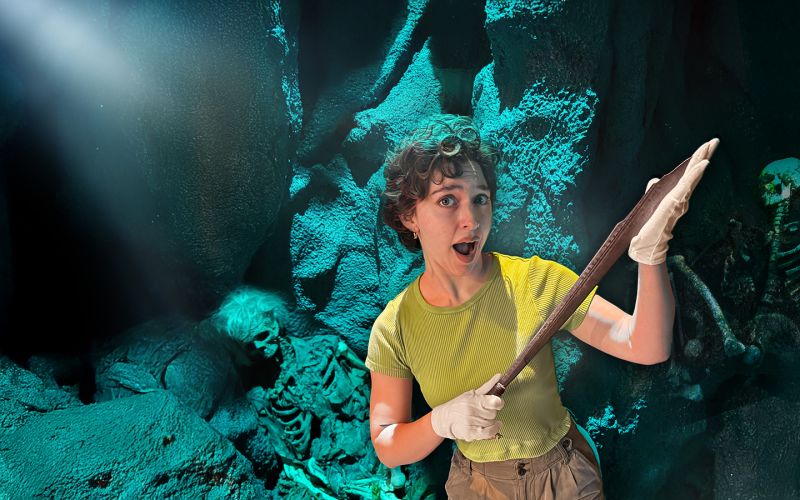
Believe It or Not!, this headhunter’s sword used to literally sever heads. Currently on display at Ripley’s Believe It or Not! Grand Prairie, this chilling blade offers a rare look into the spiritual practices of the Dayak people of Borneo.

Belief over Brutality
To outsiders, the act of headhunting might seem like a brutal and bloody tradition. But for the Dayak warriors of 19th-century Borneo, it was a sacred ritual rooted in deep spiritual meaning. The act of taking an enemy’s head wasn’t done out of malice; it was believed to be the only way to fully destroy an enemy’s spirit and absorb their power.

In Dayak culture, the head was considered the vessel of the soul. By removing it, a warrior wasn’t just defeating his enemy; he was capturing their essence. The stolen soul was then believed to protect homes, guard crops, or offer spiritual strength to the household it was brought into.

Power, Honor, and Respect
Owning a head was a badge of honor, and only warrior families were allowed to display them. These skulls were cherished, honored with food offerings, and even passed down as family heirlooms. For the Dayak, these trophies weren’t just reminders of past battles; they were sacred symbols of protection, legacy, and strength.

Blade with a Purpose
Known as a Parang Ilang or Mandau, the sword itself was crafted specifically for battle. Its slightly curved blade wasn’t just a stylistic choice; some believe the curve helped warriors avoid the shoulders for a cleaner decapitation. The hilt was often carved from horn, animal bone, or even human bone, with intricate engravings that hint at its material and origin.
You can get up close with this haunting piece of history at Ripley’s Believe It or Not! Grand Prairie!
→

Referred by ripleys.com - where the world’s most extraordinary stories are discovered and celebrated.