


A Beacon of Unwavering Devotion: Manujyothi Ashram Inspires Unity Through Daily Prayer
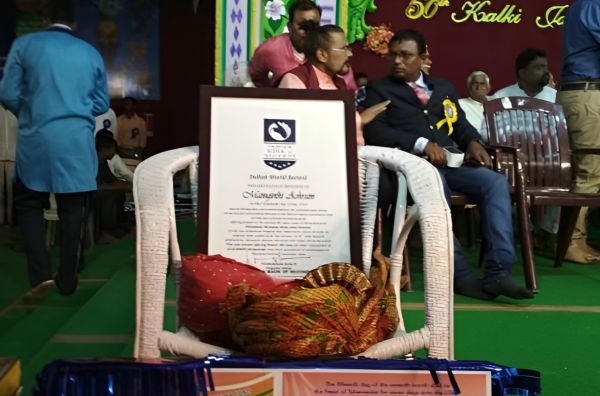
From Nation, For Nation - Pulse of the Nation
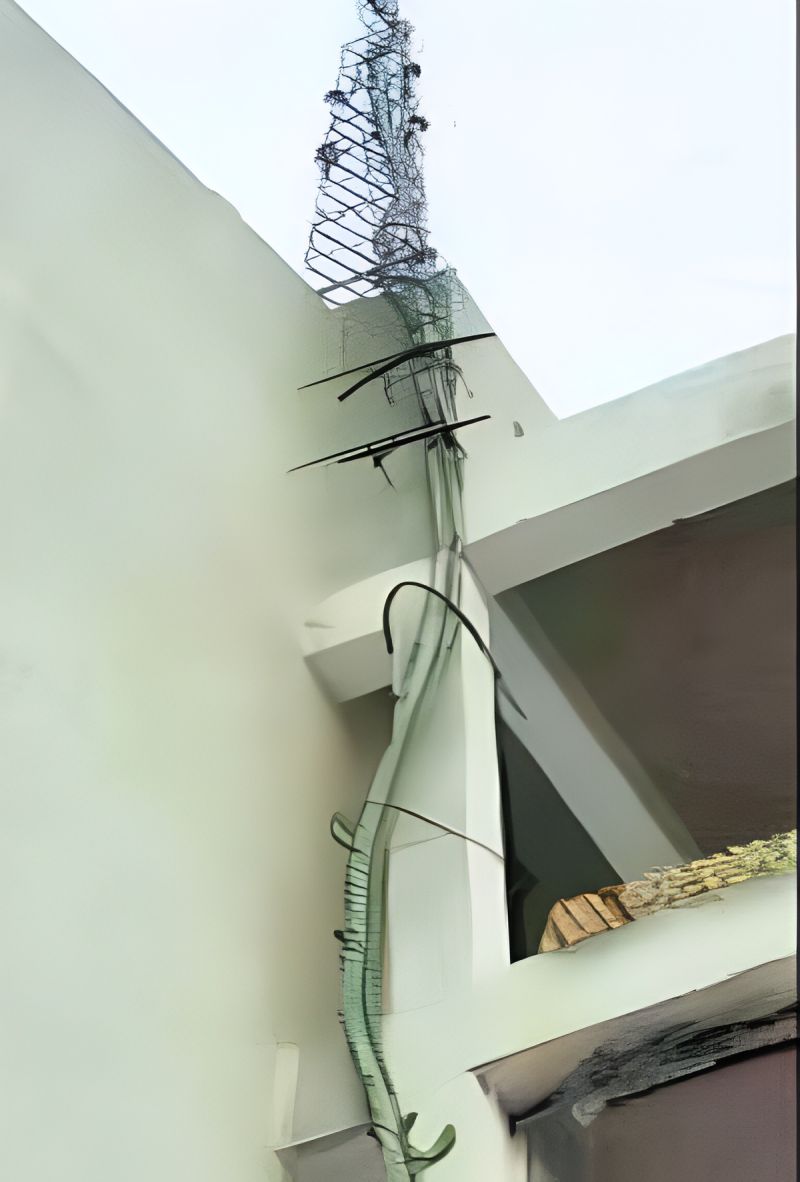
Skyward Wonder: Dharwad’s Towering Cactus Stands as a Living Symbol of Nature’s Resilience
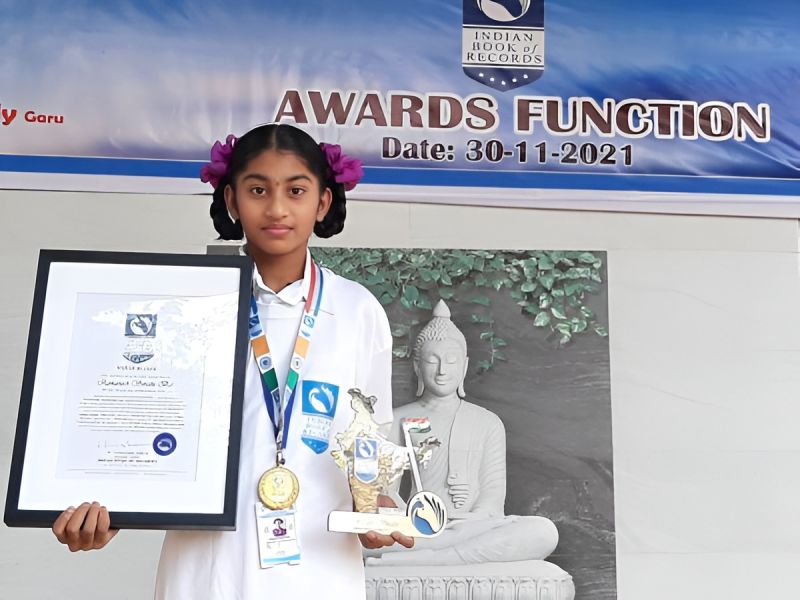
A Mind Beyond Limits: Young Achiever Redefines Memory and Determination
Her achievement stands as a powerful motivation for students and young minds across the country, encouraging them to push their limits and embrace the power of knowledge. By blending cultural awareness with academic excellence, Ramavathi Swathi Bai has set a new benchmark in fast recall and mental agility. Her success story reflects the importance of perseverance, self-belief, and continuous learning, serving as an inspiring reminder that with dedication and focus, young achievers can reach extraordinary heights. →
From Globe, For Globe - Pulse of the Planet
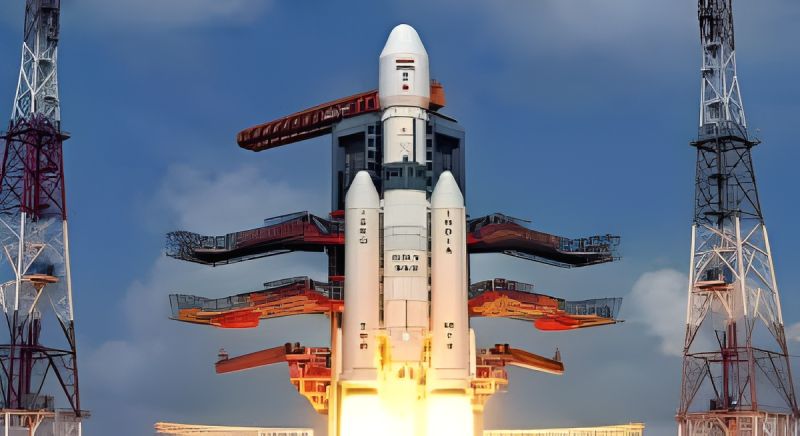
On 28 April 2008, India marked a historic milestone in its space journey as PSLV-C9 successfully placed ten satellites into orbit in a single mission. Carrying its then-heaviest payload of 824 kg aboard a 230-tonne launch vehicle, the mission demonstrated the remarkable precision and capability of ISRO. The launch included the advanced Cartosat-2A remote sensing satellite, the Indian Mini Satellite (IMS-1), and eight international nano satellites from countries such as Canada, Germany, Denmark, Japan, and the Netherlands. This achievement stood as a powerful testament to India’s growing strength and reliability in the global space arena.
Cartosat-2A, weighing 690 kg, was equipped with a high-resolution panchromatic camera capable of capturing detailed images across a wide swathe, enhancing India’s earth observation capabilities. Meanwhile, IMS-1, a compact 83 kg satellite, showcased innovative miniaturised technologies and opened avenues for data sharing with developing nations. The inclusion of eight foreign nano satellites, developed by universities and research institutions, further highlighted India’s expanding role in international space collaboration. This mission not only strengthened technological confidence but also positioned India as a trusted and competitive partner in global space exploration.
→
