

Friday, 18, September, 2026

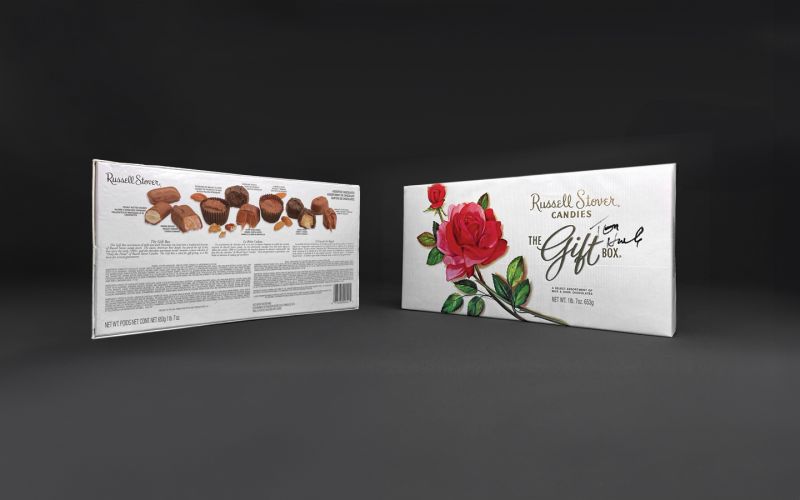
Ripley’s Acquires Forrest Gump’s Box of Chocolates, Among Other New Memorabilia
→

Ripley’s Acquires Forrest Gump’s Box of Chocolates, Among Other New Memorabilia
From Nation, For Nation - Pulse of the Nation
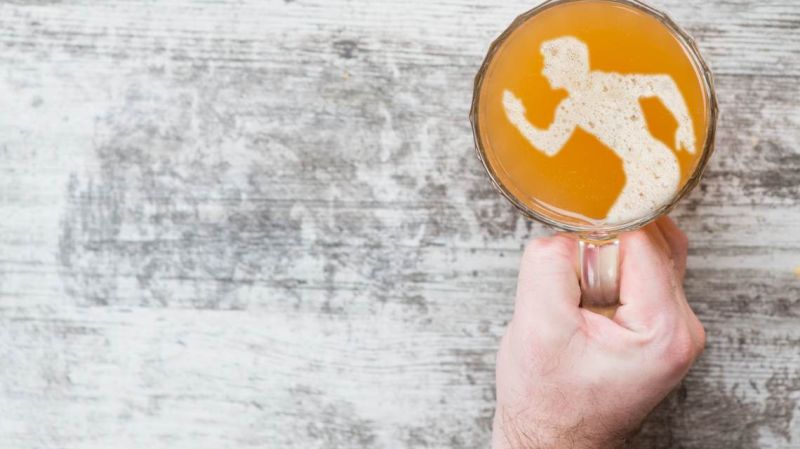
Beer Health Benefits

Does Beer Actually Have Health Benefits?
Healthy Beer
The year was 2018 when Michelob decided to take over the New York City Marathon. It papered the route with ads luring runners to the finish line with the temptation that once they crossed, they could finally enjoy a cold one.
But why would a beer company want to sponsor an athletic event of this magnitude?
Just like craft breweries of the past decade, the latest alcoholic fad stems from the belief that drinking a beer after a run is not only enjoyable but can also be good for your health!

Alcoholic Athleticism
In 2019, the new era of crafts, known as wellness beers, took off running-pun intended. Wellness beers are alcoholic beverages made specifically for athletes after a run or some other kind of athletic event.

“People like to come back from some sort of physical activity and have a beer. It’s like a tradition, it’s refreshing,” said Annie Daly, a freelance writer who has covered the topic for Healthyish.com. “I did interview a couple of the founders of these so-called wellness beers, and they all sort of have a similar origin story-which is that they made them not so that people drink them thinking that they’re a healthy drink, but more along the lines of acknowledging that this is something you are going to drink anyway.”
The companies lessened the amount of alcohol, and packed it full of electrolytes, just like a sports drink.
“So, the idea that a lot of these founders had was to acknowledge that tradition isn’t going away,” Daly said.
Wellness beers are one thing. But can a good old-fashioned Miller Lite or Michelob be good for you?

In 2015, Matt Fitzgerald’s book The New Rules of Marathon and Half Marathon Nutrition tackled the topic. Of course, there are negatives to drinking beer. It will dehydrate you and it does contain a lot of calories. So, you don’t want to drink too many.
But, Fitzgerald did report that beer contains antioxidants and B vitamins, as well as ethanol and silicon, which help prevent osteoporosis and can grow new bone tissue. In a 2016 campaign, PETA even used his research to enforce the claim that beer is healthier for you than milk!

Gulping Guinness
Still, there are studies that show how moderate drinking will not make you any healthier at all-like one conducted by the University of Victoria shared in the Journal of Studies on Alcohol and Drugs. Another, from New Zealand, says moderate drinking could lead you to be more likely to get seven different kinds of cancer.

It’s certainly not the first time people have debated the merits of beer. Society has been drinking some form of the stuff for over 10,000 years. In Medieval Europe, historians tell us that people drank beer and wine for the large amounts of calories they provided, making it essentially healthier than water. Later in the 18th century, beer was recommended over gin, which was quickly becoming a social problem.

Now it seems that every St. Patrick’s Day we hear the debate: Is Guinness really good for you? According to their advertisements of the past, they are. Some proclaimed you should “Have a Guinness when you’re tired,” while others said you should drink “Guinness for strength.” Others simply said, “Guinness is good for you.” As we’ve previously stated, the beverage does contain antioxidants and silicon, and Guinness specifically doesn’t have as many calories as many other beers.

The Difference Is in the Dose
At its core, the age-old debate boils down to one thing: It’s alcohol. If we consume too much, there can be problems. Heavy drinking-considered more than 15 drinks a week for men and more than eight a week for women-can lead to liver disease, pancreatitis, and high blood pressure.
The National Council on Alcoholism and Drug Dependence says “alcohol is the most commonly used addictive substance in the United States: 17.6 million people, or one in every 12 adults, suffer from alcohol abuse or dependence along with several million more who engage in risky, binge drinking patterns that could lead to alcohol problems.”
And for every person who gets a heart benefit from alcohol, the Centers for Disease Control says daily consumption can increase a woman’s risk for breast cancer.

While some advertisements have led us to believe that alcoholic drinks are good for us, just two years ago German courts ruled that beer cannot be marketed as beneficial. And that’s coming from Germany, folks-where beer is kind of a big deal.
Perhaps those at the Harvard School of Public Health put it best:
“The difference lies mostly in the dose. Moderate drinking seems to be good for the heart and circulatory system, and probably protects against type 2 diabetes and gallstones. Heavy drinking is a major cause of preventable death in most countries.”
In this exhausting back-and-forth debate, it seems only one consensus can be reached: If you want to drink, do so in moderation, and responsibly.
Cheers, everyone!
→

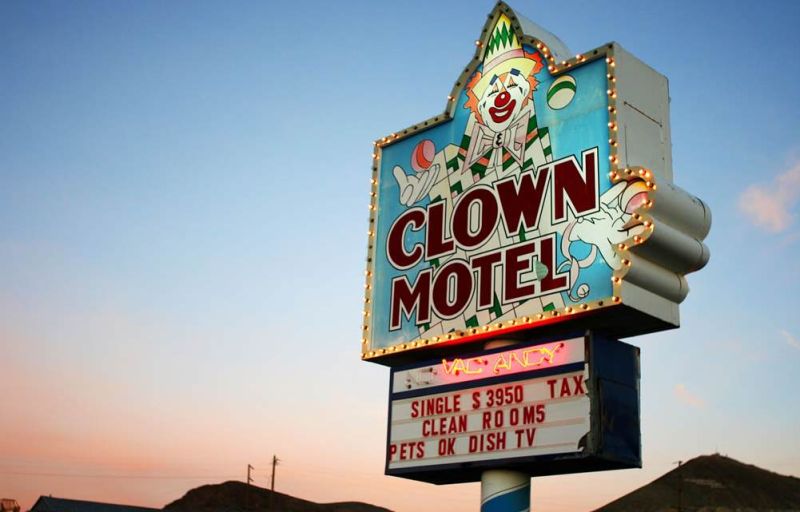
The Clown Motel
The Clown Motel

Do You See Yourself Spending a Night at the Clown Motel?

The debate on if the Clown Motel is creepy is subjective and can only be determined by a personal visit.
Vacancy at the Clown Motel
In the middle of the Nevada desert, the small town of Tonopah offers a very interesting lodging option: The Clown Motel.
The Clown Motel opened in 1985 and has been a destination for weary travelers and curious road trippers alike. It has been under the management of Robert Perchetti since 1995, and for about $40 a night, you can immerse yourself in a clown crazy carnival atmosphere.
The original owner had a very large collection of clowns, and that seems to be the impetus behind the motel’s theming; he was looking for somewhere to house his collection.
The second you walk into the motel, you are bombarded with hundreds of clown figurines of every size, color, and facial disposition.

Perchetti Insists the Clowns Are Not Creepy
Despite his appeal, some travelers would disagree, but that decision can only be made by those brave enough to make the trek.
If clowns aren’t your thing, you can still enjoy a relaxing layover at the Clown Motel. The owners take deep pride in the upkeep of the lodging, only employing friendly staff and taking extra steps to make sure the rooms and facility are clean and well maintained.
If you are still not convinced to alter your summer plans and drive to Tonopah, perhaps this perk will: the motel is pet-friendly.
So, if you are worried about killer clowns in the night, you can bring Fido to protect you.

What is Definitely Creepy…
The debate on if the Clown Motel is creepy is subjective and can only be determined by a personal visit. However, the adjoining graveyard next to the motel might give some travelers reason to pause. The Tonopah Cemetery is a century-old abandoned place of rest the town’s old gold miners.
In one road trip, you can visit a Clown Motel that only has friendly clowns, bring your puppy, and visit a forgotten cemetery of dead gold miners.
Count me in.

For Sale!
Believe it or not, the world’s creepiest motel is up for sale! The asking price? $900,000. Perchetti and his wife are retiring, the perfect time to put this clown establishment up for sale, however, the new landlords MUST keep the clown theme alive. So what is Perchetti going to do with all his free time? He plans on fishing, camping, and bonding with his grandchildren.
→
From Globe, For Globe - Pulse of the Planet
Onbashira Festival
Onbashira Festival
Onbashira Festival: It’s Log, Log, Log

A Ren & Stimpy approved Japanese celebration!
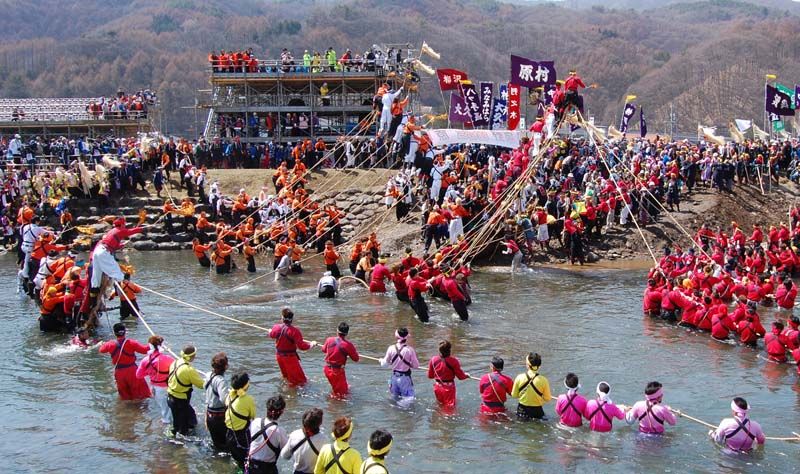
Nineties nostalgia may come to mind when thinking of timber rolling, but Log from Blammo has a lot to live up to! Once every six years, thousands of people gather in the Suwa region to chop, ride, and raise massive 50-foot logs during Japan’s Onbashira Festival-an ancient Shinto tradition that’s been taking place for more than 1,200 years!

Onbashira, or Sacred Pillars, is a two-month-long event to replace the sacred pillars at four shrines, thereby purifying the shrines. The pageantry unfolds in stages:

Yamadashi:
The locating and felling of 16 massive 150-year-old fir trees weighing more than 10 tons each! Branches and bark are removed, and ropes are then attached.

Satobiki:
The most dangerous stage, where hundreds of men drag and ride each log 6 miles down steep hills to a Shinto shrine. It’s an honor to ride the logs and stand atop the attached wooden beams covered in streamers. The danger becomes very real at the steepest hill, where the beams are removed and the loggers hold on for dear life as they tear down the hill at top speed.

Onbashira:
The last portion of the festival and its namesake is the ceremonial raising of the logs in front of the shrine. Unbelievably, the new pillars are raised with the riders still clinging tightly as they ascend!
This log riding and raising often result in serious injuries-sometimes even fatal. However, according to Shinto beliefs, any Onbashira Festival participant’s death is considered honorable and worthy of historical remembrance.
→

Referred by ripleys.com - where the world’s most extraordinary stories are discovered and celebrated.